
When Should You Visit a Dermatologist for Hair Fall?
16-31-481/101, JB Shashi Arcade Building 2nd Floor, JNTU Rd, Above Bandhan Bank, Kukatpally Housing Board Colony, Hyderabad 500085
Hair fall is a common concern, but noticing more hair than usual on your pillow, comb, or shower drain does not always mean you should ignore it. Some daily hair shedding is normal, but persistent or noticeable thinning can sometimes indicate an underlying issue that needs professional attention.
If you are wondering when to visit a dermatologist for hair fall, the simple answer is: when hair loss becomes persistent, sudden, excessive, or is accompanied by changes in your scalp.
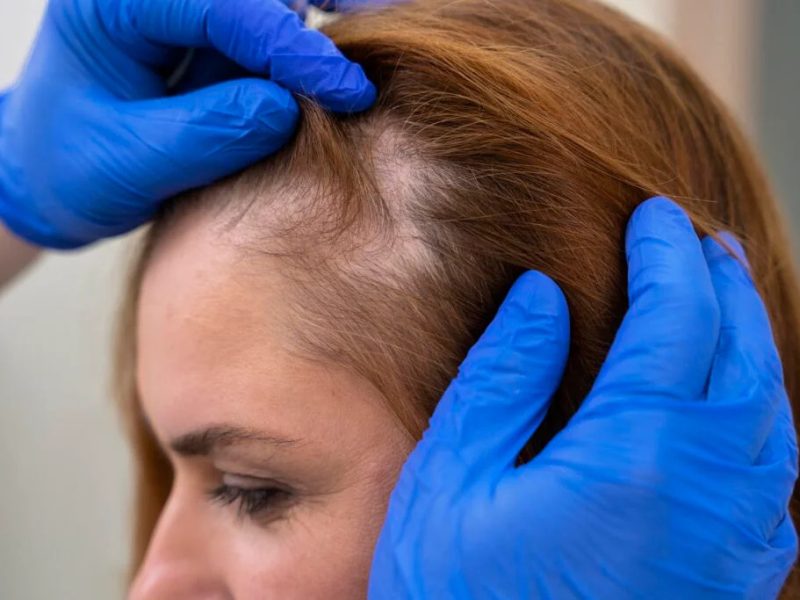
A dermatologist for hair fall can examine your scalp and hair, identify possible causes, and recommend a suitable treatment plan. Hair loss can have several causes, including hereditary factors, stress, nutritional deficiencies, hormonal changes, scalp conditions, certain medications, or damaging hair-care practices. Finding the actual cause is an important first step toward effective treatment.
Signs You Should Not Ignore
You may want to consult a dermatologist if you notice:
Gradual thinning of your hair
A widening hair part
A receding hairline
Noticeably thinner ponytail
Bald patches
Sudden or heavy hair shedding
Hair falling out in clumps
Scalp itching, redness, scaling, burning, or tenderness
Sudden bald patches or hair loss associated with scalp inflammation can require timely evaluation.
Why See a Dermatologist for Hair Loss?
Instead of trying different hair oils, supplements, or products without knowing the cause, consulting a hair loss doctor can help you understand what is happening.
A dermatologist may ask about how long you have experienced hair fall, examine your scalp and hair, and assess your overall pattern of hair loss. Depending on your symptoms, additional tests may sometimes be recommended to look for conditions such as nutritional deficiencies, hormonal problems, infections, or other medical causes.
Early Consultation Can Make a Difference
Many people wait until their hair becomes visibly thin before seeking help. However, early evaluation can be useful because some forms of hair loss can be managed more effectively when treatment begins early.
There is no single hair fall treatment that works for everyone. The right approach depends on the reason behind the hair loss. A dermatologist can help determine whether you need treatment, changes to your hair-care routine, or further investigation.
Avoid Self-Treatment Without Knowing the Cause
Hair fall products and supplements are widely available, but using them without understanding the reason for hair loss may not solve the problem. Even supplements can be unhelpful or harmful when taken unnecessarily.
If you are experiencing ongoing hair fall, consider consulting a qualified dermatologist for hair loss rather than waiting for the condition to become more noticeable.
Final Thoughts
Hair fall is not something you always need to panic about, but persistent or unusual hair loss deserves attention. If you are experiencing sudden shedding, visible thinning, bald patches, or scalp symptoms, a dermatologist can help identify the possible cause and guide you toward appropriate hair loss treatment.
The earlier you understand why your hair is falling, the sooner you can take informed steps to manage it.