The Nutritional Powerhouse: Why Finger Millet Deserves a Spot on Your Plate
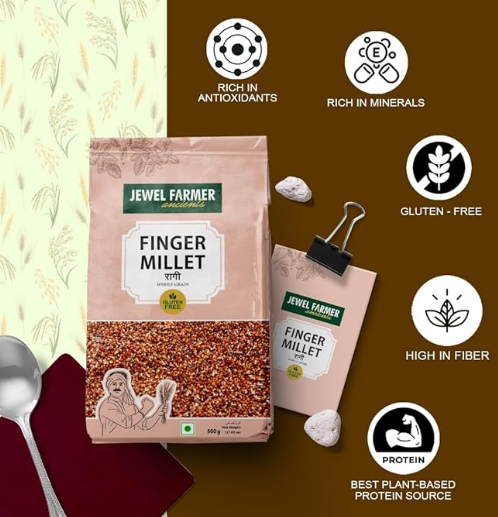
Often overshadowed by modern, refined grains, ancient supergrains are steadily making a remarkable comeback in modern diets. Among these, finger millet—widely known as nachni in Hindi, ragi in Kannada and Marathi, and kezhvaragu in Tamil—stands out as a true nutritional giant. Cultivated for thousands of years in arid and semi-arid regions of Africa and Asia, this humble grain has sustained communities through generations due to its exceptional resilience and profound health benefits.
A Nutritional Profile Like No Other
What makes finger millet a standout choice for health-conscious individuals is its remarkably dense nutrient profile. Unlike polished rice or refined wheat, which lose most of their goodness during processing, finger millet is typically consumed in its whole-grain or floured form, preserving its rich array of vitamins and minerals.
An Exceptional Source of Calcium: One of the most celebrated attributes of ragi is its remarkably high calcium content. Gram for gram, it outperforms most other cereals, including wheat and rice. This makes finger millet an incredible plant-based food for supporting bone health, preventing osteoporosis, and aiding growth in children.
Complex Carbohydrates and Sustained Energy: Finger millet is packed with complex carbohydrates and dietary fiber. Because the body digests these complex chains slowly, it prevents sudden spikes in blood sugar levels. This makes it an ideal food choice for individuals managing type 2 diabetes or those looking to maintain steady energy levels throughout the day.
Rich in Iron and Plant-Based Protein: Iron deficiency and anemia are widespread health concerns globally. Regular consumption of finger millet helps boost hemoglobin levels, as the grain is naturally rich in iron. Furthermore, it provides essential amino acids like methionine, which are often lacking in strict vegetarian or vegan diets.
Versatility in the Kitchen
Beyond its impressive health credentials, finger millet is remarkably versatile. Its earthy, slightly nutty flavor lends itself beautifully to a wide array of sweet and savory culinary traditions.
In traditional South and West Indian households, ragi is commonly transformed into nourishing breakfast porridges (ragi malt), steamed flatbreads (ragi roti), or traditional dumplings (ragi mudde). However, modern kitchens have embraced its adaptability far beyond traditional recipes. Bakers and home cooks frequently incorporate finger millet flour into pancakes, cookies, muffins, and wholesome multigrain breads. Because it is naturally gluten-free, it serves as an excellent alternative for individuals with celiac disease or gluten sensitivities, allowing them to enjoy baked goods without discomfort.
Environmental Resilience
Finger millet is not only beneficial for human health; it is also remarkably gentle on the planet. It is a hardy, drought-tolerant crop that can thrive in poor soils with minimal water requirements. In an era facing the challenges of climate change and dwindling water resources, cultivating resilient crops like finger millet offers a sustainable pathway toward global food security.
Embracing the Ancient Grain
Incorporating finger millet into your daily routine is a simple yet powerful step toward better health and sustainable eating. Whether you start your morning with a warm, comforting bowl of ragi porridge or swap out refined flours for finger millet in your weekend baking, this ancient supergrain offers an effortless way to nourish your body. By rediscovering these traditional staples, we can bridge the gap between ancient wisdom and modern wellness, ensuring a healthier future for both ourselves and the planet.