

Induction Sealing Wads in India: Types, Uses & Buying Guide
EB-38, Scheme no 94, Opp. Anurag Nagar Petrol pump, Indore 452010, Madhya Pradesh, India.
Induction Sealing Wads in India: Types, Uses & Buying Guide
Everything you need to know about induction sealing wads—from how they work and their different types to their benefits, applications, and selection tips for modern packaging.
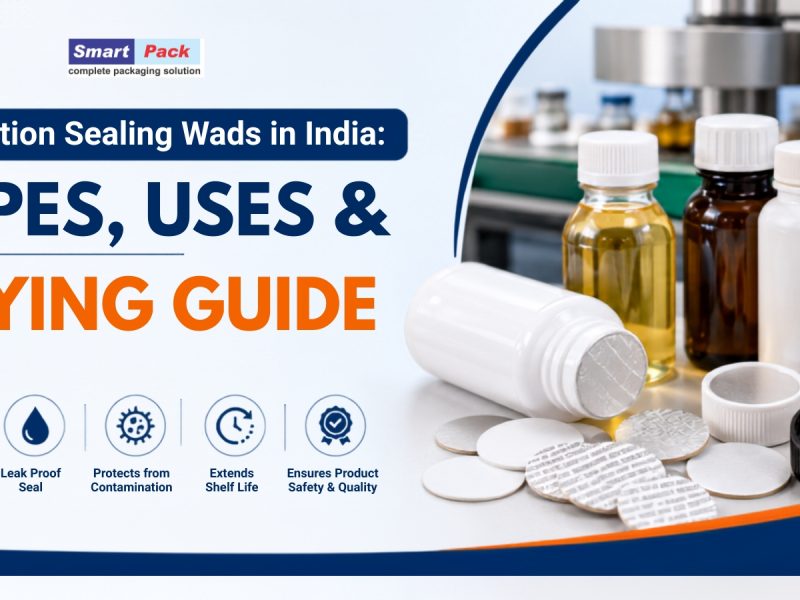
Induction sealing wads are multi-layer sealing liners placed inside bottle caps to create an airtight, leak-proof, and tamper-evident seal on containers using electromagnetic induction. They help protect products from moisture, contamination, leakage, and unauthorized tampering, making them an essential packaging component across the Indian food, pharmaceutical, cosmetic, chemical, and FMCG industries.
As businesses increasingly focus on product safety, regulatory compliance, and customer trust, choosing the right induction sealing wad has become just as important as selecting the right packaging material. Whether you’re sealing PET bottles, HDPE containers, glass jars, or plastic bottles, the right induction seal helps extend product shelf life while ensuring a secure seal during storage and transportation.
In this guide, you’ll learn what induction sealing wads are, how they work, their different types, benefits, applications, and how to choose the right induction sealing solution for your packaging requirements.
What Are Induction Sealing Wads?
Induction sealing wads are multi-layer sealing liners placed inside bottle caps to create an airtight, leak-proof, and tamper-evident seal using electromagnetic induction. They help protect products from moisture, contamination, leakage, and unauthorized tampering, ensuring product safety throughout storage and transportation.
These sealing wads are widely used across the Indian food & beverage, pharmaceutical, cosmetic, chemical, and FMCG industries, where maintaining product quality and meeting packaging standards are essential.
Available in different materials and configurations, induction sealing wads can be selected based on the container type, product, and sealing requirements.
Pro Tip: Choosing the right induction sealing wad depends on factors such as the container material (PET, HDPE, PP, or glass), cap size, product type, and the induction sealing machine being used. Selecting the correct combination ensures a reliable seal and minimizes packaging failures.
How Do Induction Sealing Wads Work?
Induction sealing wads create a secure seal through electromagnetic induction, a process that bonds the sealing layer to the container’s rim without direct contact. Here’s how it works:
Step 1: The Cap Is Applied
The bottle or container is filled with the product, and the cap containing the induction sealing wad is tightly placed on the container.
Step 2: Induction Heating Begins
As the container passes through an induction sealing machine, an electromagnetic field heats the aluminium foil layer inside the wad.
Step 3: The Seal Is Formed
The heat melts the sealing polymer, allowing it to bond firmly with the container’s mouth and create an airtight, leak-proof seal.
Step 4: Cooling & Final Seal
As the polymer cools, it forms a strong tamper-evident seal that helps protect the product during storage, handling, and transportation.
Induction Sealing Process at a Glance
Filled Container → Cap Applied → Induction Machine → Electromagnetic Heat Generated → Airtight Seal Created
Did You Know? Induction sealing heats only the foil layer—not the product inside the container—making it a safe and efficient sealing method for industries like food, pharmaceuticals, cosmetics, and chemicals.
Types of Induction Sealing Wads
Induction sealing wads are available in different types to suit various packaging requirements. The right choice depends on factors such as the product, container material, cap type, and the level of protection required.
Type
Best For
Key Feature
Single-Piece Wads
Food, beverages, cosmetics
Permanent seal with excellent tamper evidence
Two-Piece Wads
Pharmaceuticals, chemicals
Leaves a liner inside the cap after opening
Capless Wads
Single-use bottles and jars
Provides a secure seal without relying on a cap liner
1. Single-Piece Induction Sealing Wads
Single-piece induction sealing wads consist of a single liner laminated with materials such as aluminium foil and polymer. During the induction sealing process, the liner bonds directly to the container’s rim, creating a strong airtight seal. These wads are widely used for products that require reliable leak protection and visible tamper evidence.
Common Applications: Edible oils, spices, honey, sauces, cosmetics, personal care products, and beverages.
2. Two-Piece Induction Sealing Wads
Two-piece induction sealing wads include a foil seal and a backing liner. During sealing, the foil bonds to the container while the backing remains inside the cap, allowing the container to be resealed after opening. They are commonly preferred for pharmaceutical and chemical packaging where added protection is required.
Common Applications: Pharmaceuticals, nutraceuticals, chemicals, lubricants, industrial liquids, and healthcare products.
3. Capless Induction Sealing Wads
Capless induction sealing wads are designed for products intended for one-time use. They create a secure, spill-resistant seal and are commonly used for bottles and jars where resealing is not necessary.
Common Applications: Sample containers, single-use jars, promotional packaging, and travel-size products.
Seal it once.
Trust it every time.
The right wad is the difference between a shipment that arrives sealed and one that leaks. Tell us your container, cap size, and product — we’ll match you to a wad that bonds clean and holds tight.